News

Category

CHRM and Swahilipot Hub Join Forces for HR and Youth Empowerment in Mombasa

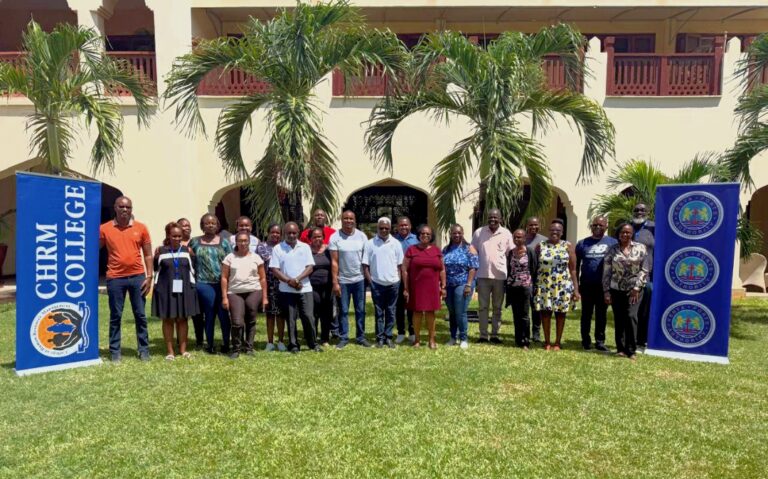
Mombasa, Kenya – In a bold step towards empowering youth and enhancing professional skills in the coastal region, CHRM College has officially entered into a strategic partnership with Swahilipot Hub Foundation (SPH). This collaboration, sealed today through a formal meeting, is anchored within the Global Opportunity Youth Network (GOYN) Mombasa strategy and is set to create transformative opportunities for employers, HR professionals, and young people in the greater Mombasa region.

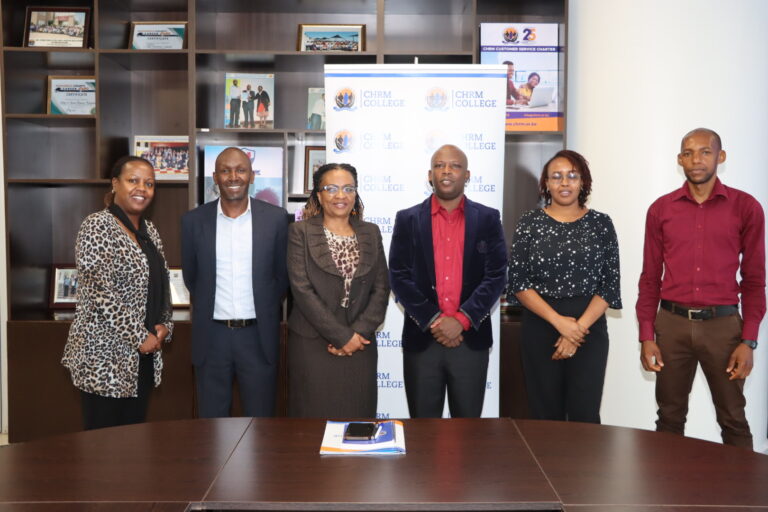
Representing CHRM College at the meeting was Mr. Norman Waguchu, the Mombasa Campus Administrator, who expressed his optimism about the partnership’s potential to drive meaningful economic and professional growth.

A Partnership with Purpose

The Memorandum of Understanding (MoU) outlines a shared vision between CHRM College and SPH – to bridge skills gaps in the labor market by offering targeted capacity-building programs. These programs are designed not only for HR professionals and employers but also for aspiring young professionals eager to enter competitive job markets with confidence.

Through this collaboration, CHRM College will leverage its expertise in human resource and business education, while SPH will tap into its extensive community networks and youth empowerment initiatives. The result will be a series of training, mentorship, and professional development opportunities tailored to the needs of the Mombasa job market.

Anchored in the GOYN Mombasa Strategy

GOYN Mombasa, an initiative focused on creating sustainable and dignified employment opportunities for young people, provides the strategic framework for this partnership. With youth unemployment remaining a pressing issue in Kenya – and particularly in the coastal region – there is a growing need for innovative and targeted solutions.

By aligning with GOYN’s objectives, CHRM College and SPH aim to create pathways that link education and training directly to market opportunities. This includes fostering partnerships with employers, developing specialized HR capacity, and creating platforms for young people to connect with industries in need of their skills.

Focus Areas of the Partnership

The CHRM-SPH MoU will see the rollout of programs that address key needs in the HR and business sectors, such as:

  1. Specialized HR Training – Equipping HR professionals in Mombasa with updated knowledge on labor laws, recruitment best practices, performance management, and workplace diversity.

  2. Youth Employability Skills – Offering soft skills training, interview preparation, and career guidance to prepare young job seekers for competitive employment.

  3. Employer Engagement – Creating forums for businesses to engage with trained talent, discuss workforce needs, and shape capacity-building content.

  4. Workplace Readiness Programs – Bridging the gap between academic learning and workplace expectations through internships, mentorship, and applied projects.

Benefits for the Mombasa Community

This partnership is set to benefit multiple stakeholders. For employers, it offers access to a more skilled and prepared workforce, reducing recruitment and onboarding costs. For HR professionals, it provides a platform for continuous professional development and networking with peers. For young people, it opens doors to training, mentorship, and direct connections to employment opportunities.

Mr. Norman Waguchu emphasized that this initiative is not just about training – it’s about transformation:

“At CHRM College, we believe in building more than just skills. We build confidence, resilience, and adaptability. Through this partnership with SPH, we are creating opportunities for youth to grow into impactful professionals who can drive change in their workplaces and communities.”

The Role of Swahilipot Hub Foundation

Swahilipot Hub Foundation has long been a champion of youth empowerment in Mombasa, with programs ranging from tech skills training to creative arts development. By partnering with CHRM College, SPH will be able to add HR and business skills to its portfolio, ensuring that its beneficiaries have well-rounded competencies to thrive in the modern workforce.

SPH’s existing networks across government agencies, NGOs, and private sector partners will also be instrumental in linking trained youth to real employment and entrepreneurial opportunities.

Looking Ahead: A Skilled, Empowered Workforce

As the MoU comes into effect, both CHRM College and SPH are already mapping out the first round of capacity-building programs. The expectation is that within the first year, hundreds of HR professionals, employers, and young job seekers will have benefited from the training and engagement initiatives.

This partnership also sets a precedent for how academic institutions and community-based organizations can collaborate effectively to address skills and employment challenges. By pooling expertise, resources, and networks, CHRM and SPH are creating a model that could be replicated in other regions of Kenya and beyond.

Conclusion

The CHRM College–Swahilipot Hub Foundation partnership represents a significant milestone in Mombasa’s journey towards a more skilled, competitive, and inclusive workforce. By combining academic excellence with grassroots community engagement, the initiative promises to create not just job seekers, but job-ready professionals who can thrive in a rapidly changing economy.

As CHRM College continues to expand its footprint in Mombasa and beyond, partnerships like this will remain at the heart of its mission – ensuring that education translates into tangible, life-changing opportunities for all.

Together, we are building a stronger, more skilled workforce for Mombasa and beyond.
From Boardrooms to Beatdrops – The CHRMAA Chairman’s Dinner

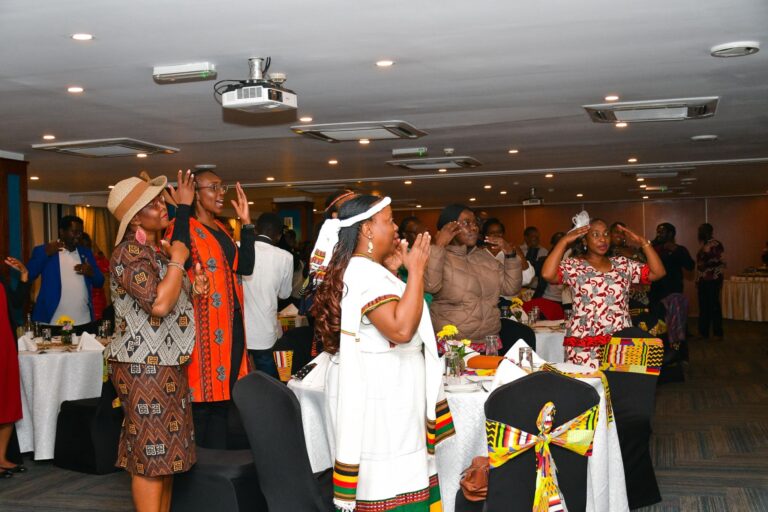
On the evening of Friday, 25th July 2025, the College of Human Resource Management Alumni Association (CHRMAA), in collaboration with the College of Human Resource Management, hosted the much-anticipated Chairman’s Dinner – CHRMAA Culture Night at the elegant Sarova Panafric Hotel. This distinguished event formed an integral part of the human resources (HR) Month celebrations, a dedicated period set aside to honor and amplify the impact of HR professionals across organizations and society.


HR Month serves as a crucial platform to acknowledge the strategic value of human resource management in steering business growth, catalyzing organizational change and nurturing positive and inclusive workplace cultures. The CHRMAA Culture Night was an embodiment of these ideals, providing an inspiring evening filled with engaging conversations, valuable networking opportunities and a heartfelt celebration of the collective efforts in shaping vibrant organizational environments.


Adding to the rich cultural mood of the evening, attendees were beautifully attired in traditional African clothing, proudly showcasing garments that represented the diverse communities across the continent. This display of heritage not only enhanced the evening’s ambiance but also reinforced the event’s celebration of African identity and unity within the HR profession.


The event attracted an esteemed lineup of speakers who delivered powerful keynote addresses. These included CHRP Odhiambo Ooko, the Chairperson of the CHRM Board and a Fellow of the Institute of Human Resource Management (FIHRM); Edna Kiunga Kiptoon, the Board’s Vice-Chairperson and a Member of the Institute (MIHRM); CHRP Margaret K. Kinyanjui, Principal of the College of Human Resource Management, and a holder of multiple professional recognitions (MIHRM, MKIM); CS, CHRP Japheth Alande, MIHRM; and Reverend Canon Stephine O. Obong’o, Chairperson of CHRMAA and a CHRP-k credential holder. Each speaker shared unique insights into the evolving role of HR within modern organizations and society at large, emphasizing leadership, innovation, and the cultivation of inclusive cultures.


Adding a harmonic flair to the evening were captivating performances by Papi OdeQ and the Tamasha Beats Band, whose music entertained and energized guests, creating an atmosphere brimming with joy and camaraderie. The event fostered meaningful dialogue on the future trajectory of the HR profession, inspiring attendees to continue championing transformative practices in their respective fields.


Beyond the stimulating discussions and performances, the Culture Night also recognized outstanding individuals and organizations that have made significant contributions to the HR field. Various awards were presented, highlighting excellence and commitment to advancing human resource management principles that drive both personal and organizational success.


As the evening unfolded, guests enjoyed delectable meals complemented by laughter and dance, creating lasting memories and reinforcing the spirit of unity within the HR community. The CHRMAA Culture Night was a powerful reminder of the critical role HR professionals play in shaping workplaces that not only succeed but thrive with inclusivity, innovation and integrity.


The Chairman’s Dinner – CHRMAA Culture Night stood as a testament to the passion, dedication, and strategic influence of HR practitioners. It reaffirmed the essential role human resource management plays in unlocking human potential and fostering organizational and societal growth. As the HR community looks forward, events like this continue to inspire a collective commitment to excellence and transformative leadership in the world of human resources.

Drawing the Line: Why Clear Workplace Boundaries Prevent Costly Entanglements

On a Wednesday evening in Massachusetts, amidst the chords of a Coldplay concert, an unexpected corporate drama unfolded. Andy Byron, the CEO of Astronomer Inc. was caught on the venue’s camera in an intimate embrace with Kristin Cabot, the company’s chief people officer. What might have been a moment of private affection quickly turned public and damaging. The video capturing their closeness went viral, sparking a scandal that would ultimately compel Byron to resign and leave Astronomer’s leadership scrambling to manage the fallout.


This incident was not just a fleeting embarrassment; it underscored a critical lesson about the importance of maintaining clear workplace boundaries, especially when it comes to relationships between executives. The ease with which Byron and Cabot blurred the lines between personal and professional life in a highly visible setting ultimately exposed the company to risks far beyond mere gossip.

The real consequences extended well beyond the viral video. Astronomer’s board acted decisively, accepting Byron’s resignation and placing Cabot on leave pending an internal investigation. This case serves as a vivid example of how workplace boundary failures can have severe repercussions.

When leaders overstep professional boundaries, several risks emerge. First, reputational harm can strike swiftly. Moments of indiscretion are rarely private and can instantly reshape public perception of an entire brand. Second, trust takes a hit. Investors and stakeholders expect executives to uphold high standards of integrity and conduct, and any perceived lapses may erode confidence in leadership and governance. 


Third, employee morale often suffers, especially when workers perceive unfairness or favoritism stemming from personal relationships at the top. This can prompt a toxic culture, driving talent away. Finally, there are legal and ethical concerns. Relationships involving significant power imbalances, such as between a CEO and a chief people officer, carry the potential for conflicts of interest, coercion or retaliation claims.


The Bryon-Cabot episode reminds us that even outside of office hours, workplace boundaries matter immensely. Leaders’ actions remain under scrutiny, and private moments captured publicly become corporate liabilities. In a modern environment where work cultures are more informal and remote connections blur traditional lines, companies cannot afford to let boundaries slip.

To protect themselves, organizations must invest in clear, unambiguous policies about workplace relationships, outlining what must be disclosed, what is off-limits and identifying conflicts of interest. 

Enforcing these policies consistently, without exceptions, is essential to maintain trust across all ranks. When breaches do occur, employers must respond promptly and transparently to demonstrate that no individual is above company values. Crucially, training and education should accompany enforcement, helping employees and leaders alike recognize potential boundary issues before they escalate.

The saga at Astronomer acts as a stark warning that a single, ill-considered moment outside work can undo years of leadership credibility and organizational progress in a flash. Drawing firm boundaries isn’t merely about avoiding scandal or legal trouble but about preserving the trust, culture and future success of the organization.

Because in the world of business, the cost of not drawing the line is far greater than the discomfort of setting one.

CHRM College: Shaping Transformative Careers in the Human Capital Economy

In today’s knowledge economy, where adaptability, ethics and applied skills define professional competitiveness, institutions that deliver more than just qualifications are necessary. The College of Human Resource Management (CHRM) has solidified its position as not only an academic institution, but as a hub for nurturing transformational leadership, workforce relevance, and institutional agility.

As the May 2025 intake approaches, CHRM presents an opportunity to learners seeking a curriculum grounded in practical engagement, academic excellence and sector-aligned certification. Founded on a vision to elevate the standards of human resource practice in Kenya and beyond, CHRM’s development has been anything but accidental. Its reputation today as a nationally accredited TVET institution and HRMPEB-approved training provider has been earned through a deliberate emphasis on relevance, responsiveness and results.

From certificate to postgraduate diploma levels, CHRM’s programs span disciplines that speak directly to today’s organizational realities — including Human Resource Management, Business Management, Marketing, Supplies, and Cybersecurity. The college’s distinction, however, lies not in course offerings alone, but in how these programs are delivered with immersion, mentorship, and industry integration embedded into the learning model.

The recently concluded Internship and Mentorship Masterclass, a flagship program hosted by CHRM in April, exemplifies this practical focus. Designed as a bridge between classroom knowledge and workplace expectation, the masterclass addressed real-life competencies, such as strategic communication, digital professionalism, financial literacy, and entrepreneurship.

It wasn’t a seminar for show. It was a week of rigor, reflection, and readiness. Students engaged with facilitators drawn from leading sectors, participated in guided projects, and received one-on-one mentorship on employability readiness. This initiative reinforces CHRM’s belief that success in today’s job market demands more than subject matter mastery — it demands people who can problem-solve, adapt, and lead.

Furthermore, CHRM collaborated with the Kenya Ports Authority to deliver an intensive Compliance and Data Security Symposium in Kilifi. This was not merely a training session, but a response to an urgent national concern: the integrity of data systems and operational compliance in the public and private sectors. The event was a great example of cross-sector partnership and demonstrated CHRM’s competence in designing training models that meet institutional needs while drawing from policy, law and technology.

At the center of CHRM’s academic strategy is its faculty; an intentional  team of lecturers, researchers and industry consultants whose collective experience spans HR policy, public governance, organizational change, digital transformation and legal compliance. What distinguishes this faculty is their dual identity: they are educators and practitioners. Many hold leadership roles in professional bodies and consult for regional organizations. Their classes go beyond instruction, as  they are dialogues informed by lived experiences, research findings and case studies from almost spheres of study.

Supporting this instructional excellence is the William Gitobu Memorial Library, which offers hybrid access to scholarly databases, publications, sector journals and digital repositories via OPAC and Dspace. Research and critical inquiry are not peripheral at CHRM — they are central to the student journey.

CHRM’s strategy is not isolationist. The institution has forged partnerships that create mobility pathways for students and alumni alike. One such partnership is the Memorandum of Understanding signed with Sinapis, a globally recognized entrepreneurship training network. This collaboration brings new programming to CHRM’s offerings, integrating leadership, startup incubation and entrepreneurial ethics into business and HR education. Further, the college’s affiliation with the Marketing Society of Kenya (MSK) has opened avenues for joint programming, co-branded events and professional development tracks for students pursuing integrated roles in marketing, communications and HR. These alliances produce real outputs, including co-certifications, mentorship access, career forums and ultimately, job placements.

With the growing globalization of work, CHRM recognized early the need for its graduates to earn certifications that carry weight across borders. That is why the college remains one of the few institutions in Kenya offering training for the Human Resource Certification Institute (HRCI) suite of credentials — including PHRi™, SPHRi™, and GPHR®. These programs are designed for mid to senior-level HR professionals working in international and complex environments. The rigor of these certifications, combined with CHRM’s expert faculty support, provides a competitive advantage to those seeking roles beyond the Kenyan job market.

CHRM also offers approved training for HRMPEB’s Certified Human Resource Professional (CHRP) exams — a statutory requirement for HR practice in Kenya — positioning the college as a one-stop center for professional credibility.

CHRM’s  delivery approach has made education accessible without compromising on standards. The Online and Distance eLearning (ODeL) platform offers a structured virtual learning environment complete with assignments, discussion boards, assessments and live instructor engagement. Students enrolled remotely anywhere in the country experience the same curriculum as those at the Nairobi main campus — a testament to CHRM’s quality assurance frameworks. Physical facilities at the Nairobi campus, including classrooms, digital resource centers and ICT labs reflect CHRM’s commitment to creating environments conducive to learning and practical training.

Education at CHRM does not conclude at graduation. The institution has kept close ties with its alumni network.  The CHRM Alumni Association continues to grow and includes members placed in top-tier companies, public institutions, NGOs and start-ups. CHRM College is continually in touch with its alumni network and is exploring collaborations that will ultimately benefit both parties. 

The May intake is an invitation to invest in a future shaped by knowledge, guided by ethics and validated by credentials. Prospective students will join an institution that understands the intersections of education, enterprise and ethics. They will be taught by faculty who build rather than instruct. They will also access a curriculum that is strategic rather than generic. Lastly, they will be placed into ecosystems that reward skill, character and agility. Whether your ambition is to enter HR, manage compliance, build a social enterprise or support institutional governance, CHRM’s structured, certified and sector-aligned programs provide a launchpad for meaningful careers.

CHRM College has cultivated a reputation for quality, integrity and innovation. It is a place where academic rigor meets mentorship, where programs respond to economic realities and where each student is treated as a future leader. As Kenya continues to invest in its workforce and as regional economies demand higher standards of professional competence, CHRM stands ready to produce the next generation of human capital architects.

Applications for the ongoing intake are now open. To begin your journey, visit www.chrm.or.ke or speak to the admissions team via 0718-781513 or  0727-792122.

Elevating Career Readiness: CHRM College Celebrates Premier Internship & Mentorship Masterclass Graduation

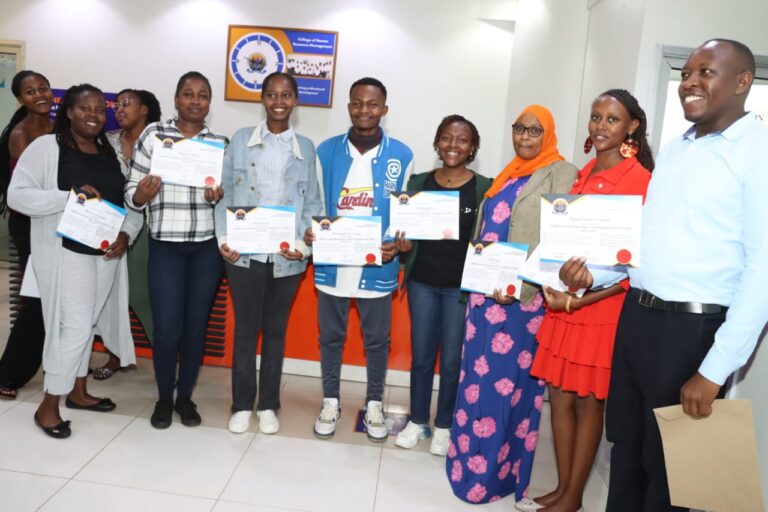
On 11th April 2025, CHRM College marked a significant milestone with the graduation ceremony of learners from its Premier Internship & Mentorship Masterclass. The event, held at CHRM College, was a culmination of a transformative week-long program designed to equip participants with essential skills for navigating the competitive job market.

Running from 7th to 11th April at CHRM Nairobi – Caxton Campus, the masterclass focused on critical areas that are vital for career success:

  • Hands-on Training: Participants engaged in practical exercises tailored to real-world scenarios.
  • Mentorship from Industry Experts: Esteemed professionals shared invaluable insights and guided learners on how to thrive in their chosen fields.
  • CV Writing & Interview Coaching: Sessions emphasized crafting compelling CVs and mastering interview techniques to stand out to employers.
  • Networking & Career Guidance: Attendees learned strategies for building meaningful professional connections and navigating career paths effectively.
  • Attachment, Internship & Job Placement Support: The program offered participants tools and resources to secure internships and job opportunities.

The certificate award ceremony was graced by CHRP Margaret K. Kinyanjui, Principal of CHRM College, who encouraged the graduates to seize emerging opportunities provided by the institution. She highlighted the importance of mentorship programs and emphasized the need for professionally acceptable CVs that align with corporate standards.


The Premier Internship & Mentorship Masterclass was more than just a training program; it was a holistic experience aimed at empowering participants both professionally and personally. Key sessions included:

  1. Effective Communication and Public Speaking: Facilitated by industry leaders, these sessions equipped participants with techniques to articulate ideas confidently in professional settings.
  2. Personal Financial Management and Entrepreneurship Skills: Attendees gained practical tips for budgeting, saving, and identifying entrepreneurial opportunities.
  3. Personal Branding: Participants learned how to build a strong online presence and leverage social media platforms for professional growth.
  4. Emotional Intelligence (EI): Workshops emphasized managing emotions, building relationships, and navigating challenges with resilience.

The interactive nature of the sessions fostered collaborative learning and networking opportunities, ensuring participants left not only with knowledge but also meaningful connections. 

CHRM College continues to set itself apart as a hub for professional development in Kenya. With a focus on experiential learning, the institution bridges the gap between academic theory and practical application. 


Programs like the Premier Internship & Mentorship Masterclass exemplify CHRM’s dedication to shaping competent professionals who are ready to excel in modern workplaces.

Graduates of this masterclass now carry certificates that symbolize their commitment to personal growth and career readiness, a testament to their hard work and the college’s unwavering support. 


As CHRM College celebrates this achievement, it remains steadfast in its mission to empower students through innovative programs that prepare them for success in today’s evolving job market. With initiatives like mentorship assignments, attachment support, and skill-building workshops, CHRM is shaping tomorrow’s leaders one graduate at a time.

For aspiring professionals seeking transformative education experiences, CHRM College offers not just academic excellence but also practical tools for thriving in the workforce; a true catalyst for success in Kenya’s competitive landscape.

CHRM College Concludes Compliance and Data Security Symposium for Kenya Ports Authority

CHRM College proudly marked another milestone in its mission to foster professional growth and institutional excellence with the successful conclusion of the Compliance and Data Security Symposium for Kenya Ports Authority (KPA) staff. Held from 7th to 11th April  2025 at Silver Palm Spa & Resort in Kilifi, this transformative five-day training program brought together KPA professionals to address critical aspects of data governance, privacy frameworks, and regulatory compliance.

The symposium was designed as an intensive learning experience, tailored to meet the unique challenges faced by organizations in today’s evolving digital landscape. With Kenya’s Data Protection Act 2019 serving as a foundational reference, participants explored strategies to enhance institutional data governance, align organizational practices with regulatory standards and reinforce workplace ethics.

Through a combination of expert-led presentations, practical case studies, and peer-to-peer engagements, attendees gained actionable insights and skills that will empower them to confidently navigate the complexities of compliance and data security. The sessions provided a platform for KPA staff to not only deepen their understanding of privacy frameworks but also develop innovative solutions to real-world challenges in data protection.

The symposium also highlighted the vibrant partnership between CHRM College and KPA, a collaboration rooted in capacity building and a shared commitment to excellence. By equipping KPA staff with the tools needed to uphold robust data governance practices, CHRM College reaffirmed its role as a trusted leader in professional development within Kenya’s corporate landscape.

Key moments from the event included thought-provoking presentations by industry experts on emerging trends in compliance and data security. These sessions offered participants fresh perspectives on how to stay ahead in a constantly shifting regulatory environment. Practical case studies allowed attendees to apply theoretical knowledge to real-life scenarios, fostering problem-solving skills that are directly applicable to their roles at KPA. Interactive peer engagements further enriched the learning experience by encouraging collaboration and the exchange of ideas among participants.

As the event drew to a close, it was evident that the knowledge gained would have a lasting impact on KPA’s operational practices. Reflecting on this successful initiative, CHRM College celebrates not just the conclusion of an impactful training program but also the beginning of a transformative journey for KPA staff. Armed with enhanced skills and knowledge, participants are now better equipped to uphold compliance standards while championing workplace ethics.

As CHRM College looks ahead, it remains committed to delivering innovative training programs that address emerging challenges across industries. The institution eagerly anticipates future collaborations with other organizations striving for excellence in compliance, data security, and ethical leadership.

With this symposium serving as a testament to what can be achieved through strategic partnerships and targeted capacity building, CHRM College continues to shape a future where organizations excel through knowledge-driven practices.

Strengthening Professional Ties for Future Growth: CHRM College and MSK Collaboration

In an inspiring demonstration of collaboration, CHRM College recently hosted a courtesy visit from the Marketing Society of Kenya (MSK), a pivotal organization in advancing the marketing profession in Kenya. This engagement marked a significant step in fostering partnerships that aim to bridge the gap between academic training and industry practice, ultimately shaping the future of marketing and human resource professionals in Kenya and beyond.

The visit brought together key representatives from both institutions for fruitful discussions on areas of mutual interest. CHRM College Principal, CHRP Margaret K. Kinyanjui, led the dialogue alongside Justin Masila, Finance Manager, and Moses Maina, Business Development Manager. On the MSK side, the delegation included Geofrey Lidonga, Acting Chief Executive Officer; Millicent Ngatia, Marketing and Communication; and Christine Wangui, Finance and Administration.

The discussions centered on creating more value for students at CHRM College, particularly those pursuing marketing and human resource management programs. By leveraging their combined expertise, the two institutions explored joint initiatives aimed at building capacity and enhancing professional development opportunities for students. CHRM College has long been committed to bridging the gap between theory and practice through strategic partnerships with industry leaders. As a leading academic institution in Kenya since its inception in 1997, CHRM offers diverse programs in HR management, marketing, business management, ICT, and beyond. This collaboration with MSK further strengthens its mission to equip students with practical skills that meet industry demands.

Similarly, MSK plays a vital role in empowering marketers through education, mentorship, and self-regulation within the marketing industry. Their expertise complements CHRM’s focus on professional excellence by offering insights into current industry trends and challenges. Together, these organizations aim to align academic curricula with real-world requirements, ensuring graduates are job-ready and equipped to excel in competitive markets.

Benefits for Students and Professionals

  1. Enhanced Learning Opportunities: By integrating industry insights into academic programs, students can gain exposure to practical applications of their studies. Internships, workshops, and mentorship programs are expected to be part of this collaboration.
  2. Capacity Building: Joint initiatives will focus on skill development for both marketing and HR students. This includes access to MSK’s expertise in marketing strategies and CHRM’s leadership in HR education. 
  3. Bridging Academia and Industry: The partnership serves as a platform for aligning educational goals with industry needs. This ensures graduates possess transferable skills that are applicable across various roles and sectors. 


The synergy between CHRM College and MSK exemplifies how academic-industry partnerships can drive innovation while addressing gaps in education and employment. Such collaborations not only enhance learning outcomes but also foster creativity by exposing students to real-world challenges. Moreover, they contribute to building a skilled workforce capable of making significant contributions to Kenya’s economic growth.


As CHRM College continues to forge impactful partnerships—such as its recent collaboration with BrighterMonday Kenya aimed at addressing youth unemployment—the institution reaffirms its commitment to empowering future professionals. The engagement with MSK is another milestone in this journey. Both organizations have expressed optimism about future engagements that will further strengthen their shared vision for excellence in education and professional development. By pooling resources and expertise, CHRM College and MSK are setting the stage for transformative change in Kenya’s marketing and HR landscapes.

Leveraging Twitter/X as a Strategic Advocacy Platform: A Guide to Influencing Public Discourse and Driving Organizational Impact

In today’s digital-first world, Twitter (now X) has emerged as a vital platform for organizations aiming to influence public opinion, mobilize support, and drive meaningful change. Known as the “modern public square,” Twitter’s unique structure—real-time communication, brevity, and accessibility—makes it an unparalleled tool for strategic advocacy. Whether it’s amplifying a cause, engaging stakeholders, or shaping narratives, organizations can use the platform to achieve advocacy goals effectively.

The Power of Twitter/X in Advocacy

Twitter’s defining characteristic is its ability to facilitate real-time conversations. Unlike other platforms, Twitter thrives on immediacy and public dialogue. This makes it ideal for advocacy campaigns that require rapid dissemination of information or responses to unfolding events. Organizations can also tap into Twitter’s role as a “digital town hall,” where policymakers, influencers, and citizens converge to discuss pressing issues using features like Twitter spaces. Through targeted hashtags and mentions, advocacy groups can directly engage decision-makers while rallying grassroots support.

Strategies for Effective Advocacy on Twitter

  1. Crafting a Clear Narrative

Advocacy campaigns succeed when they tell compelling stories. Organizations should focus on crafting concise yet impactful messages that resonate emotionally with their audience. For example, nonprofits like Fight Colorectal Cancer use visuals and live tweets to humanize their cause and inspire action. A strong narrative not only draws attention but also fosters empathy and engagement.

  1. Leveraging Hashtags

Hashtags are critical in organizing conversations around specific topics. Successful campaigns often create unique hashtags that are easy to remember and widely shareable. Organizations should research trending hashtags related to their cause to join existing conversations or initiate new ones. 

  1. Engaging Influencers

Influencers—whether they are celebrities, thought leaders, or micro-influencers—can significantly amplify an organization’s message. By partnering with individuals who have credibility and reach within specific communities, organizations can extend their advocacy efforts beyond their immediate audience.

  1. Real-Time Engagement

Twitter thrives on immediacy; therefore, organizations must monitor conversations and respond promptly. Live tweeting during events or crises not only keeps followers informed but also positions the organization as a reliable source of information.

  1. Hosting Twitter Spaces

Twitter Spaces allows organizations to host live audio discussions on relevant topics. This feature is particularly useful for thought leadership and community building, enabling direct interaction with audiences in an informal yet impactful setting.


While Twitter offers immense potential for advocacy, it is not without challenges. Twitter’s algorithm prioritizes high-engagement content, which may favour sensationalism over substance. Organizations must strike a balance between creating engaging content and maintaining credibility. Additionally, effective advocacy on Twitter requires consistent posting, monitoring, and engagement—a resource-intensive endeavour that may strain smaller organizations. Public platforms like Twitter expose organizations to criticism or trolling, hence, advocacy campaigns must be prepared to handle negative feedback constructively.

Twitter remains an indispensable tool for strategic advocacy due to its ability to foster real-time dialogue, amplify voices, and mobilize action at scale. By crafting real narratives, leveraging hashtags and influencers, utilizing multimedia content, and engaging in real-time conversations, organizations can harness this platform’s full potential while navigating its challenges.

In an era where public opinion can shape policies and drive social change, mastering the art of advocacy on Twitter is no longer optional—it is essential.

Effective Feedback: The Corporate Catalyst for Employee Motivation and Operational Excellence

Feedback is a cornerstone of workplace success. Whether it’s a pat on the back for a job well done or constructive advice for improvement, effective feedback has the power to inspire employees, enhance performance, and drive organizational growth. Feedback is more than just a conversation; it’s a tool for growth and engagement. Studies show that employees who receive regular, meaningful feedback are 80% more likely to feel engaged at work, leading to higher productivity and job satisfaction. When done right, feedback aligns individual goals with organizational objectives, fostering a culture of trust and collaboration.

How Feedback Motivates Employees
Positive feedback acknowledges employees’ efforts and contributions, boosting morale and reinforcing desirable behaviours. For instance, praising an employee for their proactive problem-solving not only motivates them but also sets an example for others to follow. Recognition fosters a sense of belonging, making employees feel valued and respected.
Additionally, constructive feedback provides employees with actionable insights into their performance. By focusing on specific behaviours rather than personal traits, it helps workers understand their strengths and areas for improvement without feeling attacked. This clarity empowers them to set achievable goals and take ownership of their development.

Feedback creates a two-way dialogue between employees and management, making workers feel heard and involved in decision-making. Engaged employees are more likely to go above and beyond in their roles, bringing creativity, dedication, and initiative to the table.
It also goes without saying that constructive feedback encourages continuous learning by highlighting opportunities for skill development. Employees who receive regular coaching are better equipped to adapt to challenges, enhancing their confidence and competence over time.

The Productivity Boost

  1. Improved Performance
    Feedback helps identify inefficiencies and resolve issues quickly. When employees know what is expected of them and receive timely guidance, they can focus on delivering quality work more efficiently.
  2. Stronger Collaboration
    A feedback-rich culture promotes open communication and mutual respect among team members. This leads to smoother collaboration, fewer conflicts, and greater overall productivity.
  3. Higher Retention Rates
    Employees who feel supported through feedback are 1.2 times, according to studies, more likely to stay with their organization. Retaining skilled workers reduces turnover costs and ensures continuity in operations.

When delivered effectively, feedback is a powerful motivator that drives employee engagement, fosters professional growth, and boosts organizational productivity. By creating a culture where feedback is welcomed and valued, companies can unlock the full potential of their workforce while cultivating a positive work environment. After all, motivated employees are the key to long-term success.

The Strategic Urgency of Diversity in Leadership: Unlocking Organizational Success

In Kenya, as in many parts of the world, leadership roles are predominantly held by men. A recent survey by the Kenya Institute of Management revealed that only 32% of CEOs and managing directors in Kenya are women, while 67% of these positions are occupied by men. Despite this disparity, the percentage of women in leadership is gradually increasing, signalling progress. However, achieving diversity in leadership is not just about representation—it is a strategic necessity for organizations aiming for long-term success.

Why Diversity in Leadership Matters

Diversity in leadership goes beyond gender; it encompasses differences in race, ethnicity, age, cultural background, and other attributes. Diverse leadership teams bring varied perspectives and experiences to the table. This diversity fosters creativity and innovation by challenging groupthink and encouraging fresh ideas. Studies show that organizations with diverse leadership are better equipped to identify opportunities, solve complex problems, and adapt to market changes.
Additionally, research consistently links diversity at the top with better financial performance. Companies with inclusive leadership often outperform their peers because they are more likely to understand and meet the needs of diverse customer bases. This alignment can lead to higher revenues and stronger market positioning.

Challenges to Achieving Diversity in Leadership

  1. Unconscious Bias

Unconscious biases are deeply ingrained stereotypes that influence decision-making without individuals realizing it. These biases can affect hiring, promotions, and daily interactions, often favouring majority groups over underrepresented ones. For example, the “halo effect” or “beauty bias” may lead to preferential treatment for certain candidates based on superficial traits rather than merit. Organizations must implement training programs to help employees and leaders recognize and mitigate unconscious biases during recruitment and promotion processes.

  1. Resistance to Change

Many organizations struggle with entrenched cultures resistant to diversity initiatives. Employees and leaders accustomed to the status quo may view diversity efforts as unnecessary or disruptive. This resistance can manifest as passive opposition or active pushback against policies aimed at promoting inclusion. Leadership must actively champion change by setting an example and integrating diversity goals into the organization’s core values.

  1. Lack of Diverse Role Models

The absence of diverse leaders at the top creates a cyclical problem: underrepresented groups struggle to envision themselves in leadership roles when they see no one like them in those positions. This lack of representation also limits mentorship opportunities for aspiring leaders from diverse backgrounds, hence the leadership pipeline remains homogeneous, perpetuating inequality. Organizations should prioritize promoting diverse talent into visible roles and establish mentorship programs to support underrepresented employees.

  1. Insufficient Training and Development Opportunities

Many organizations fail to provide tailored development programs that address the unique challenges faced by diverse employees. Without access to leadership training or growth opportunities, these employees are less likely to ascend to executive positions. This leads to a leadership pipeline that does not reflect the diversity of the broader workforce. Companies can implement targeted training programs and succession planning that focus on developing diverse talent.


In Kenya, the disparity in leadership roles is stark but improving. For instance, women hold only 6% of CEO positions in companies listed on the Nairobi Securities Exchange (NSE), highlighting significant room for growth. Diversity in leadership is not just a moral imperative; it is a strategic advantage that drives innovation, enhances decision-making, and improves organizational performance. While challenges exist, they can be overcome through deliberate actions such as setting clear goals, fostering inclusive cultures, and addressing unconscious biases. In today’s evolving corporate landscape, embracing diversity will not only bridge existing gaps but also position organizations for sustainable success in an increasingly competitive environment.

1 2 3 4 5 6 … 8